How to Plant Lotus in Pond
There are many different ways that you can plant lotus in pond, but the most important thing is to make sure that the pond is big enough. The first step is to find a location for your pond. You will need to make sure that the area gets at least six hours of sunlight each day and that it is not too close to any trees or shrubs.
Once you have found the perfect spot, you will need to dig a hole that is about two feet deep and eight feet wide.
- Choose a spot in your pond that gets full sun and is at least 2 feet deep
- Lotus like to spread their roots, so make sure you have enough room for the plant to grow
- Dig a hole in the chosen spot that is twice the size of the pot your lotus is currently in
- Carefully remove your lotus from its pot and place it in the hole, making sure that the roots are completely submerged
- Backfill the hole with dirt, leaving a small mound around the base of the plant
- This will help hold water when you start watering it
- Water your lotus deeply until the water starts coming out of the drainage holes in the pot
- Allow the plant to soak for 30 minutes before moving on to step 6
- 6 Fill in around plant with more soil until level with original soil surface
How an Aqua farm is growing Lotus Plants for Ponds
Can You Grow Lotus Without Soil
. Lotus plants are beautiful, unique flowers that grow in water. But can you grow lotus without soil?
It is possible to grow lotus without soil, but it is not easy. The plant needs a substrate to support its roots, and without soil, the plant will not have the necessary nutrients to thrive. Additionally, the plant needs access to sunlight and air in order to photosynthesize and produce food for itself.
If you are determined to grow lotus without soil, you can try using hydroponics or aquaponics. These methods use nutrient-rich water instead of soil to support the plant. However, these systems require more work and knowledge than growing in soil does.
Overall, it is possible to grow lotus without soil, but it is difficult and requires special care and attention. If you are up for the challenge, be sure to do your research before getting started!
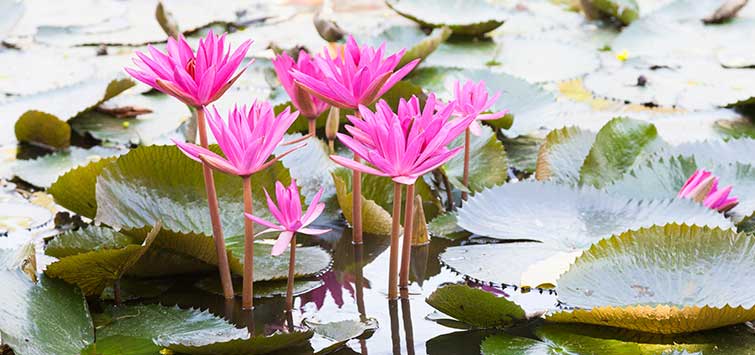
Credit: www.tfhmagazine.com
Can Lotus Grow in Just Water?
Yes, lotus can grow in just water. The plant is native to tropical and subtropical Asia, and can be found growing in marshes, ponds, and lakes. Lotus typically grows in shallow water with a muddy bottom.
The roots of the plant are anchored in the mud, while the leaves and flowers float on the surface of the water. Lotus is a member of the water lily family (Nymphaeaceae), and shares many characteristics with other members of this group.
Can I Put Lotus in a Pond?
You can absolutely put lotus in a pond! Lotus are beautiful aquatic plants that come in a variety of colors and add a unique touch to any water feature. There are a few things to keep in mind when planting lotus, however.
First, they require full sun and at least 2-3 feet of water depth. Lotus also have very large roots, so make sure your pond is large enough to accommodate them. Lastly, be sure to plant your lotus in an area with good drainage; they will not tolerate soggy conditions.
With a little planning and preparation, you can enjoy the beauty of lotus in your own backyard pond!
Can Lotus Seed Grow in a Pond?
Yes, lotus seed can grow in a pond. However, the ideal situation is to have a still water source like a lake or reservoir. If you are growing lotus in a pond that has moving water, it’s important to make sure that the roots are not disturbed by the flow of water.
Lotus prefer shallow water and will not do well if they are planted too deep. The best depth for planting lotus is about 18 inches. When plantinglotus, be sure to add plenty of organic matter to the planting area to help with drainage and provide nutrients for the plant.
Lotus also need full sun to thrive, so choose a spot in your pond that gets at least 6 hours of sunlight per day.
What Kind of Soil Does a Lotus Pond Need?
A lotus pond needs a soil that is nutrient-rich and well-drained. The soil should also be slightly acidic, with a pH between 6.0 and 7.0. Lotus ponds do best in full sun, but can also tolerate partial shade.
Conclusion
If you want to plant lotus in your pond, there are a few things you need to do first. Lotus prefer shallow water, so make sure the depth of your pond is no more than two feet. The soil should also be loose and sandy so that the roots can easily spread out.
When you’re ready to plant, simply dig a hole in the sand and place the rhizome (the root system) of the lotus into it. Make sure that the bud is pointing upwards, then cover it with more sand and water.
It’s important to keep the water level consistent while the lotus is growing.
Once it reaches about six inches tall, you can start fertilizing it with a pond fertilizer tablets or pellets. With proper care, your lotus will bloom beautifully in no time!